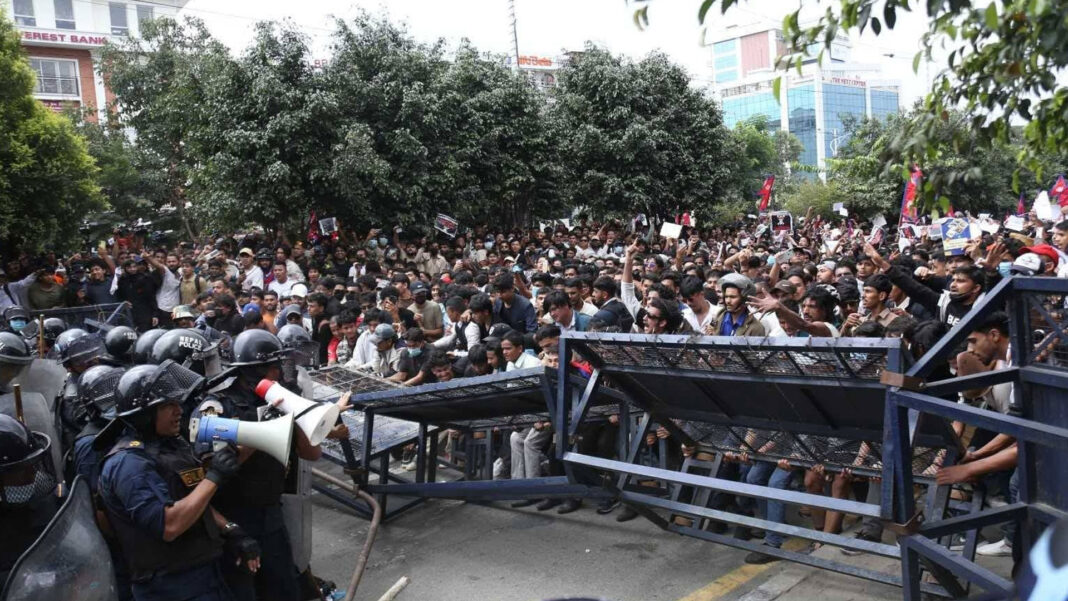

Kathmandu – Nepal has been gripped by a fresh wave of protests after the government announced a controversial ban on major social media platforms, citing concerns over misinformation, online hate speech, and national security. But on the streets, the anger runs deeper than just losing access to Facebook, Instagram, and TikTok.
Why Did Nepal Ban Social Media?
The government defended its move by claiming that social platforms were being misused to spread “anti-national propaganda” and fuel unrest. Officials argued that the ban was necessary to maintain law and order and protect “social harmony.”
Critics, however, view the decision as a direct attack on free speech in a country that has struggled with balancing democracy and political control. For many young Nepalis, social media isn’t just a pastime—it’s a lifeline for news, jobs, and expression.
Why People Are Protesting Beyond the Ban
While the social media blackout triggered immediate outrage, protesters say it is only the tip of the iceberg. Underlying the demonstrations are:
- Rising Unemployment – Nepal’s youth, many of whom rely on online platforms for freelance work and job searches, see the ban as cutting off opportunities.
- Inflation & Economic Stress – High prices for food, fuel, and essentials have already stretched household budgets.
- Political Distrust – Frequent government instability has weakened public confidence in leaders. The social media ban feels, to many, like another attempt to silence accountability.
How Citizens Are Reacting
On the streets of Kathmandu and other cities, chants of “We want freedom online and offline” are echoing. Students and activists argue that the ban isolates Nepal from the global digital economy. Tech entrepreneurs warn that this could push the country backward, discouraging foreign investment and stifling innovation.
VPN downloads in Nepal reportedly surged within hours of the ban, showing that people are unwilling to be cut off from the online world.
The Bigger Picture
The social media ban has become a symbol of wider frustrations—from unemployment to political disillusionment. Observers believe that unless the government addresses these deeper issues, the protests could intensify.
Key Takeaway
Nepal’s decision to ban social media may have been intended to curb unrest, but instead it has acted as a spark for larger protests. For many Nepalis, the issue is not only about staying connected online—it’s about demanding accountability, jobs, and a voice in the country’s future.