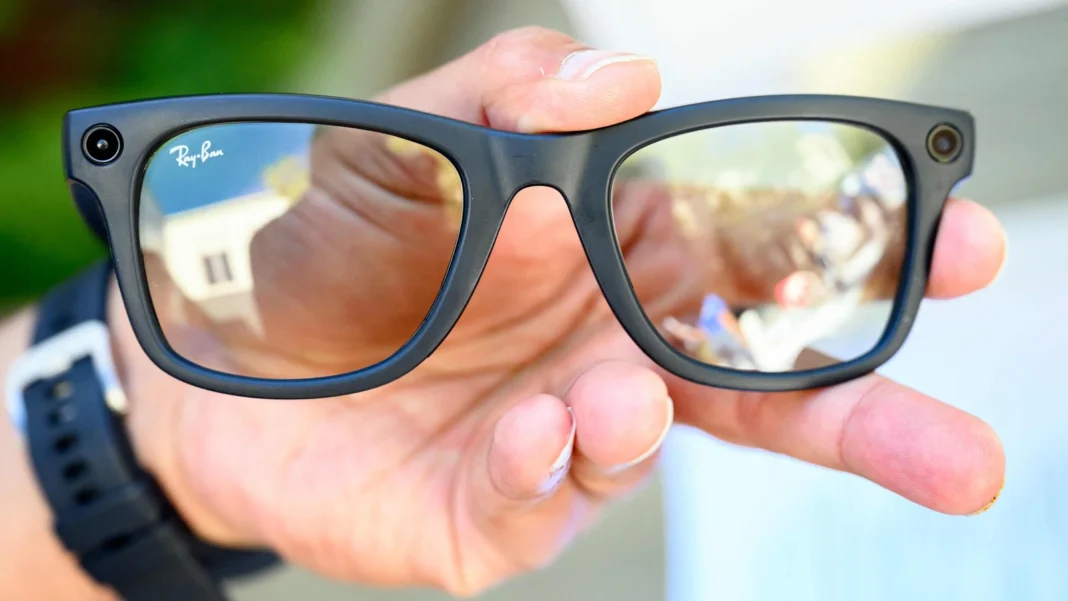

New Delhi, September 18 : Meta’s much-anticipated unveiling of its AI-powered Ray-Ban Display smart glasses took an unexpected turn when a live demonstration by CEO Mark Zuckerberg failed on stage, prompting widespread reactions online.
During the Meta Connect 2025 event, Zuckerberg showcased the smart glasses integrated with a neural wristband designed to control functions through muscle signals. The device, priced at around USD 799, was promoted as a step forward in wearable AI technology, offering a heads-up display for navigation, video calls, translations, and real-time information.
However, the presentation was marred by two high-profile mishaps. In a cooking segment, content creator Jack Mancuso struggled when the glasses provided repetitive and confusing instructions instead of guiding him step-by-step. Later, Zuckerberg attempted to answer a video call using gesture controls but failed repeatedly until Meta CTO Andrew Bosworth intervened to assist.
Meta attributed the problems to connectivity issues. “This WiFi is brutal,” one company executive was overheard saying backstage. Zuckerberg himself admitted, “You practice these things like 100 times, and then you never know what’s going to happen.”
Industry analysts note that while live demo glitches are not uncommon, they highlight the gap between concept and consumer-ready execution. The glasses, developed in partnership with Ray-Ban and Oakley, are expected to hit U.S. markets on September 30, with an international rollout planned later.
Despite the embarrassment, Meta emphasized that the devices remain in active development and will receive firmware and software updates. The company is betting big on wearable AI and augmented reality as the future of digital interaction, competing directly with other tech giants pushing into the same space.
For Meta, the challenge now lies in overcoming the negative perception from the viral demo clip and proving that its AI-driven smart glasses can deliver on promises when they reach the hands of consumers.