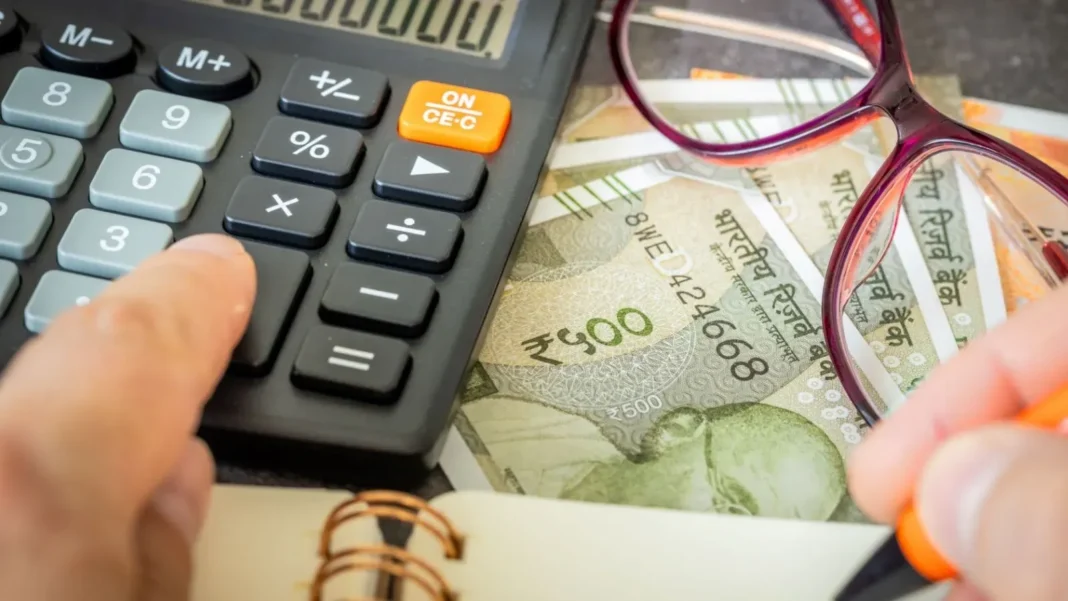

New Delhi: With the tax-filing season ending, many taxpayers are anxiously checking the status of their refunds. A recurring concern is whether refunds above ₹50,000 face deliberate delays by the Income Tax Department. While the law makes no distinction between small and large refunds, ground reports and taxpayer experiences suggest that higher-value claims often undergo more scrutiny, leading to longer processing times.
No Official Cap, But Extra Checks
The Income Tax Department has clarified in the past that refund amounts are not subject to any threshold-based delays. Whether a taxpayer is due ₹5,000 or ₹5 lakh, the processing mechanism remains the same — a return must be filed, verified, and matched against tax payment records. However, officials admit that larger refunds are often flagged for additional verification to rule out calculation errors, duplicate claims, or mismatches in Form 26AS and Annual Information Statement (AIS).
Why Bigger Refunds Face More Scrutiny
Financial experts point out that a higher refund claim usually stems from significant TDS deductions, large advance tax payments, or complex income structures involving capital gains, property transactions, or business income. Each of these increases the probability of mismatches between reported income and tax credits. To protect against revenue leakages, the system subjects such cases to deeper algorithmic checks, and sometimes even manual review.
The Timeline Factor
On average, simple salary-based returns with modest refunds are processed within 2–5 weeks after e-verification. Larger claims, especially those above ₹50,000, may stretch to 6–12 weeks if discrepancies are flagged. Delays also spike during peak filing periods, when millions of returns are being processed simultaneously.
Common Causes of Delay
- Bank account not pre-validated or IFSC errors
- Mismatch between TDS/TCS entries and refund claim
- Unverified returns or delays in Aadhaar-PAN linkage
- Manual scrutiny triggered by unusually high refund-to-income ratio
Expert Advice
Tax professionals recommend that individuals expecting larger refunds should:
- File returns well before the deadline to avoid congestion.
- Immediately complete e-verification of returns.
- Ensure bank details are pre-validated on the portal.
- Reconcile Form 26AS, AIS, and TIS before filing.
- Respond quickly to any notices raised by the department.
The Bottom Line
There is no official policy to hold back refunds above ₹50,000. But the higher the amount, the greater the chances of additional checks, which inevitably slow down processing. For taxpayers, the key lies in accuracy and proactive compliance — ensuring that all details match and all verifications are completed. Done right, even a large refund can reach your account within weeks.