
Sept 30 – Global attention is once again centered on the Middle East after the unveiling of a controversial peace plan aimed at ending hostilities in Gaza. While proponents describe it as a realistic roadmap toward stability, critics argue it resembles more of an ultimatum than a genuine framework for negotiation.
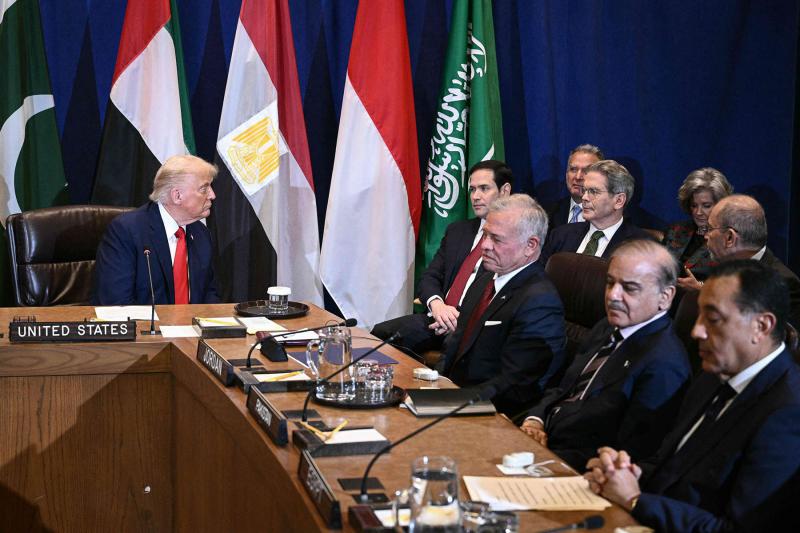
The proposal, introduced by former U.S. President Donald Trump and welcomed by Indian Prime Minister Narendra Modi, outlines a ceasefire mechanism, the reopening of humanitarian corridors, and a phased reconstruction of Gaza’s devastated infrastructure. It also places strong emphasis on security guarantees for Israel, demanding that militant groups halt rocket attacks and surrender heavy weaponry.
Supporters of the plan, including New Delhi and several European capitals, view it as a much-needed step in breaking the cycle of violence. “Peace requires compromise. This plan opens a door to dialogue and gives people of Gaza hope for normalcy,” said an Indian diplomatic source.
However, Palestinian factions have reacted with caution and, in some cases, outright rejection. Critics say the blueprint leans heavily toward Israel’s security demands while offering Palestinians only limited autonomy and conditional aid. “Calling this a roadmap for peace is misleading. It sets preconditions that strip Palestinians of genuine sovereignty,” argued Dr. Leila Khoury, a political analyst based in Ramallah.
Observers warn that the success of the plan will depend on whether it is implemented with inclusivity and balance—or imposed as a unilateral diktat. The humanitarian crisis in Gaza, where shortages of food, medicine, and electricity remain acute, makes the need for progress urgent. Yet, the absence of trust between negotiating parties continues to cast doubt over its feasibility.
As the international community digests the details, the central question remains: Will this initiative become a bridge to reconciliation, or will it deepen existing divides by being perceived as an ultimatum?