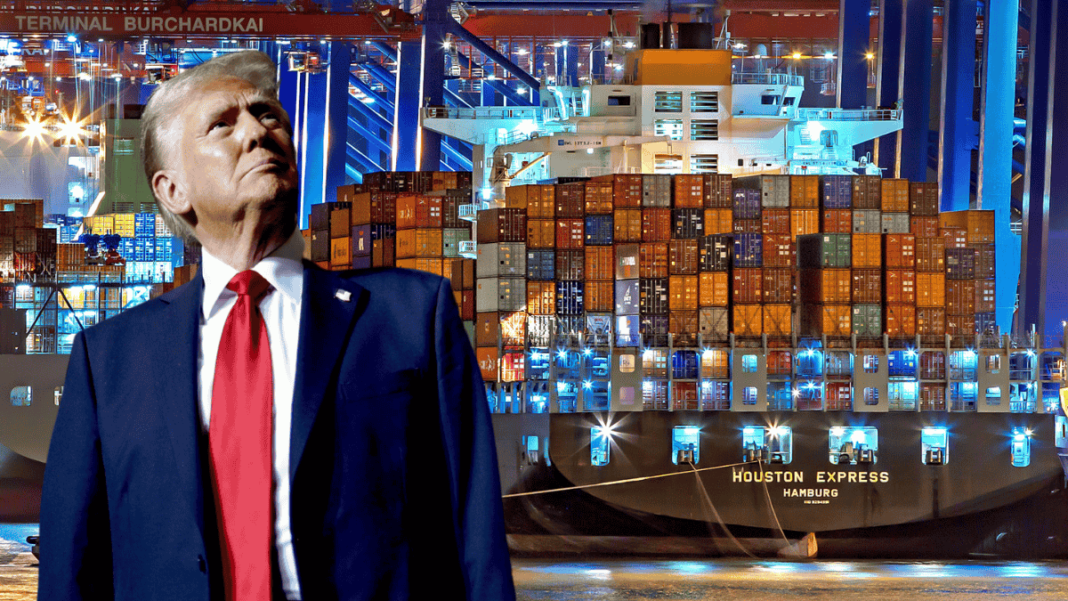

New Delhi, September 2025 – As trade tensions between the world’s largest economies escalate, a senior aide of former U.S. President Donald Trump has indicated that India is showing signs of cooperation, signaling a potential breakthrough in the ongoing trade discussions. Peter Navarro, a key former trade advisor known for his assertive stance on trade imbalances, stated that “India is coming to the table,” ahead of high-stakes negotiations between the United States and India.
Trade Talks Enter a Critical Phase
The comments come as the U.S. sends its chief trade negotiator, Brendan Lynch, to New Delhi for intensive discussions aimed at addressing tariff disputes, market access, and energy trade. The two-day round of talks marks the first in-person engagement since the Trump administration imposed a sweeping 50% tariff on Indian imports, a move linked to India’s continued purchase of Russian crude oil despite geopolitical sanctions.
Navarro’s remarks underscore the importance both nations are placing on resolving contentious trade issues. “We welcome the fact that India is showing willingness to engage constructively. Dialogue is the only way forward,” Navarro noted during an interview prior to the talks.
Why These Talks Matter
The trade relationship between India and the U.S. is one of the fastest-growing bilateral partnerships in global commerce. However, recent policy moves — especially the imposition of tariffs — have led to disruptions in exports and strained diplomatic ties. According to trade data, India’s exports to the U.S. dropped from $8.01 billion in July to $6.86 billion in August, primarily due to the tariffs on sectors including pharmaceuticals, textiles, and agricultural products.
The discussions aim to resolve:
- High import duties imposed by India, which Navarro has famously described as the “Maharajah of tariffs.”
- Energy trade issues, especially concerning India’s purchase of discounted Russian crude oil.
- Market access barriers, impacting technology, services, and agriculture sectors.
Both countries are keen to avoid a prolonged trade standoff that could affect global supply chains and investment flows.
Modi’s Diplomatic Signal
Navarro also pointed out that Prime Minister Narendra Modi’s recent conciliatory approach has set a positive tone. Modi’s tweet acknowledging the need for mutual cooperation was well received in Washington, with President Trump reportedly affirming the move as a sign of India’s readiness to find common ground.
This subtle diplomatic exchange indicates that India is open to revisiting certain policies, including tariff structures and non-tariff barriers, while seeking assurances that critical sectors like pharmaceuticals and energy will not face disproportionate pressure.
The Road Ahead
With global inflationary concerns and energy uncertainties looming large, these trade talks are critical not only for the bilateral relationship but for broader economic stability. Analysts expect that the negotiations will focus on short-term fixes, like phased tariff reductions, as well as long-term cooperation frameworks covering logistics, infrastructure, and strategic sectors.
Both governments have reiterated their commitment to finding mutually beneficial solutions. Further rounds of talks are expected in the coming weeks, and stakeholders from industries such as technology, agriculture, and defense are closely monitoring developments.
Conclusion
The statement by Peter Navarro that “India is coming to the table” reflects an important diplomatic shift amidst growing trade disputes. As New Delhi and Washington move towards structured dialogue, the outcome of these talks could reshape global trade dynamics, energy partnerships, and economic policies in the years to come.
For businesses, investors, and policymakers, the ongoing negotiations represent both a challenge and an opportunity to foster stronger ties and sustainable growth. The coming weeks will be decisive, and all eyes are on the negotiations unfolding in New Delhi.