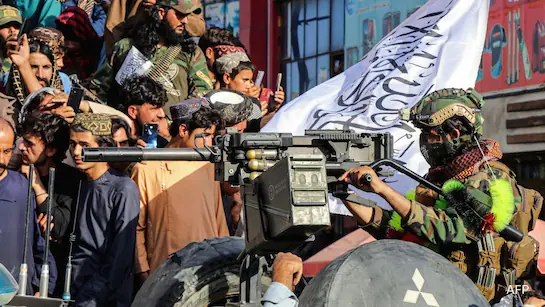

Tensions between Pakistan and Afghanistan have flared once again, as Pakistani forces reportedly carried out airstrikes near Kabul following fresh clashes along the border that left dozens dead on both sides. The recent escalation marks one of the most serious confrontations between the two neighboring countries in months, reigniting long-standing disputes over security, militancy, and territorial control.
According to local reports, the cross-border fighting began earlier this week after Afghan forces allegedly opened fire on Pakistani military posts along the Durand Line. Pakistan responded with heavy artillery and later launched targeted airstrikes aimed at what it described as “militant hideouts” near the Afghan capital. Kabul, however, has accused Islamabad of violating its sovereignty and causing civilian casualties.
The violence prompted frantic diplomatic efforts from both sides, eventually resulting in a 48-hour ceasefire agreement brokered late Wednesday night. Officials from both Islamabad and Kabul have confirmed that the temporary truce aims to allow humanitarian aid and medical support to reach affected regions while de-escalation talks continue.
The latest flare-up underscores the deep mistrust between the two countries since the Taliban’s return to power in Afghanistan in 2021. Pakistan accuses the Taliban of providing sanctuary to anti-Pakistan militant groups, while the Afghan government blames Islamabad for cross-border shelling and interference in its internal affairs.
Regional observers warn that without a long-term diplomatic framework, such clashes could further destabilize the already fragile border areas and threaten broader regional peace efforts. While the ceasefire offers a brief pause, both nations now face the difficult task of preventing this latest confrontation from spiraling into a larger conflict.