Sushila Karki: Nepal’s First Woman Chief Justice Poised to Lead as Interim Prime Minister
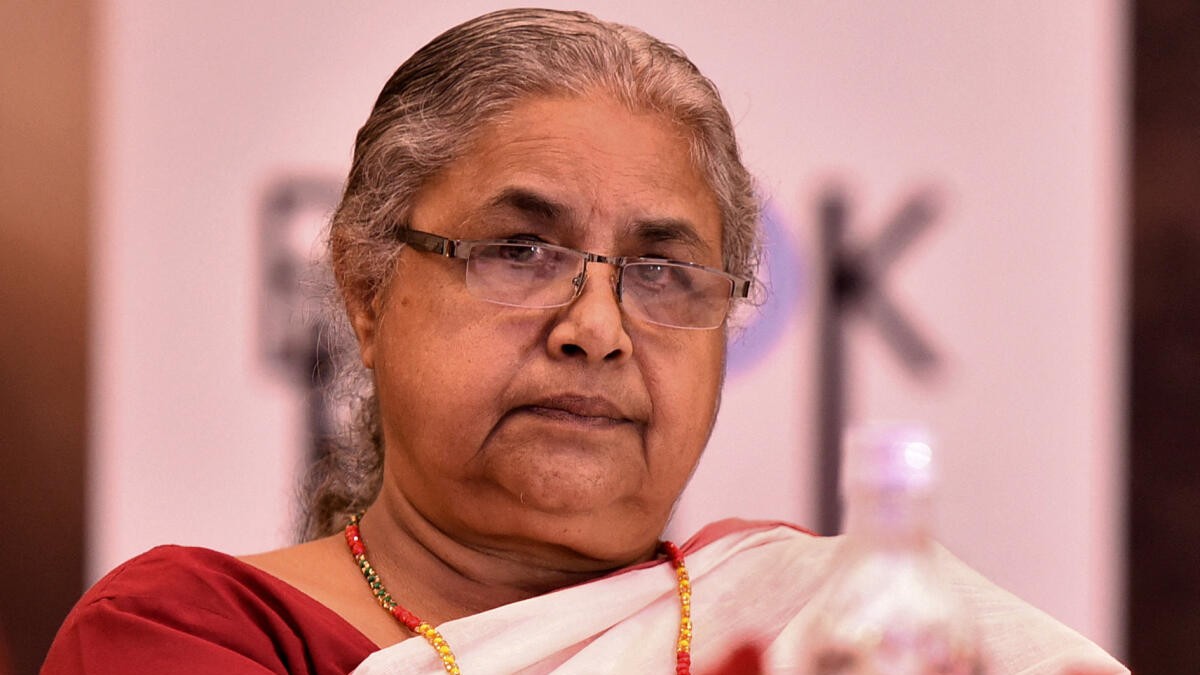
Sushila Karki, Nepal’s first female Chief Justice, is on the cusp of making history once again—this time as the country’s interim Prime Minister. Following the resignation of Prime Minister K.P. Sharma Oli amid intense anti-corruption protests, Karki has emerged as the leading candidate to steer Nepal through its current political crisis.
A Trailblazer in Nepal’s Judiciary
Born on June 7, 1952, in Biratnagar, Karki began her legal career in 1979 and rose to prominence as a senior advocate by 2007. In 2016, she became Nepal’s first female Chief Justice, serving until her controversial impeachment in 2017. Her tenure was marked by bold anti-corruption rulings, including the landmark decision to overturn the government’s appointment of Jaya Bahadur Chand as police chief, which led to her suspension Wikipedia.
Gen Z’s Choice for Interim Leadership
The recent wave of protests, sparked by a now-reversed social media ban, has seen widespread support from Nepal’s Gen Z for Karki to lead the interim government. In a virtual meeting involving over 5,000 youth leaders, Karki was endorsed over other potential candidates, including Kathmandu Mayor Balen Shah and Kulman Ghising, former head of the Nepal Electricity Authority Reuters+1.
Supporters praise Karki for her integrity, independence, and commitment to justice. One protester remarked, “We see Sushila Karki for who she truly is—honest, fearless, and unshaken” Al Jazeera.
Challenges Ahead
Despite her popularity, Karki’s appointment faces constitutional hurdles. Nepal’s 2015 Constitution restricts former judges from holding executive office, and her age—she is 73—has raised concerns about her ability to lead effectively. Nonetheless, discussions are ongoing, with constitutional experts and political leaders exploring possible avenues for her appointment Indiatimes.
A Symbol of Change
Karki’s potential leadership represents a significant shift in Nepal’s political landscape. Her rise to power would not only break gender barriers but also signal a move towards greater judicial independence and anti-corruption reforms. As Nepal navigates this tumultuous period, Sushila Karki stands as a beacon of hope for a more transparent and accountable government.