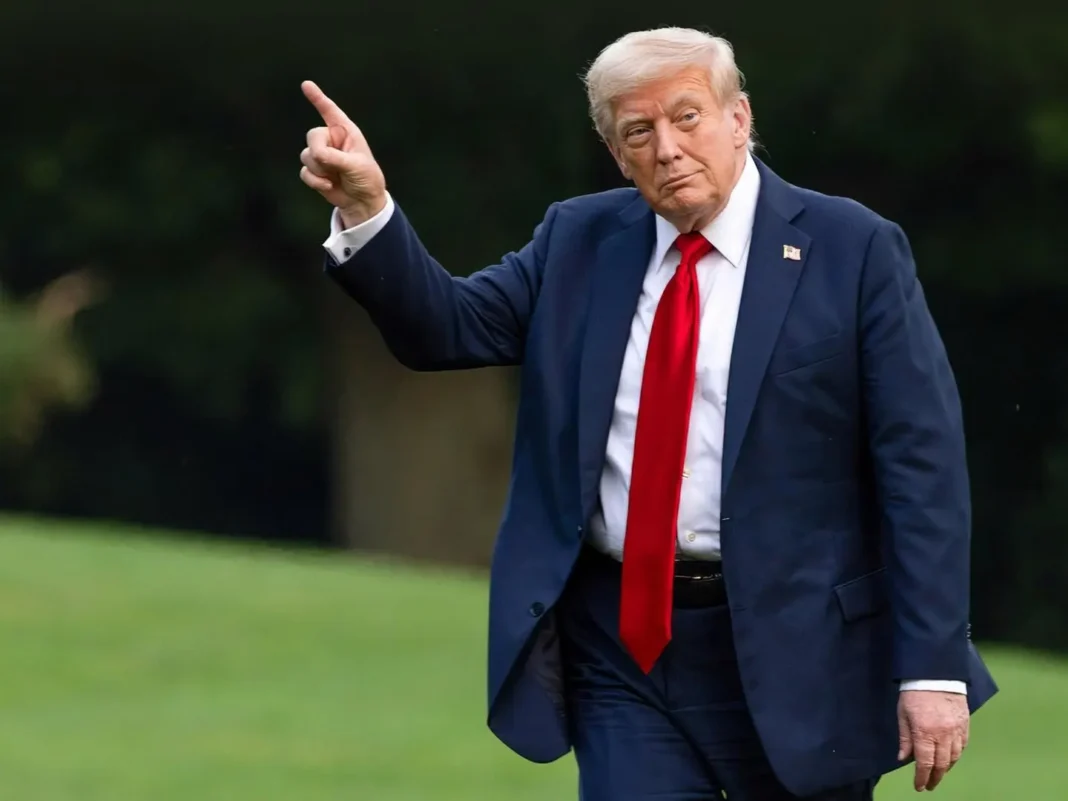

Washington/New Delhi: Former U.S. President Donald Trump has proposed a steep $100,000 fee on H-1B visas, a move that could significantly impact Indian professionals and IT companies that depend heavily on the U.S. market.
The H-1B program, which allows American firms to hire foreign skilled workers in sectors such as technology, engineering, and healthcare, has long been dominated by Indian applicants. According to U.S. immigration data, nearly 70 percent of all H-1B visas are granted to Indian nationals.
Under the proposed fee structure, U.S. companies would face dramatically higher costs when sponsoring foreign workers. Immigration experts warn that such a measure could discourage hiring from abroad and create financial strain for Indian IT majors such as Infosys, Wipro, and Tata Consultancy Services, all of which deploy thousands of professionals to client projects in the U.S. each year.
“This is not just a policy shift; it’s a direct barrier to talent mobility,” said a senior executive at a leading IT firm. “A $100,000 visa cost would make it nearly impossible for smaller companies to compete, while larger firms would have to rethink their U.S. hiring models.”
For Indian professionals, the implications are far-reaching. Industry analysts point to four key consequences: reduced opportunities in the U.S., potential salary trade-offs as companies absorb higher visa costs, a shift of talent towards countries like Canada, the UK and Australia, and a possible retention of skilled workers within India.
The proposal is being seen as part of Trump’s long-standing “America First” agenda, which prioritizes domestic employment and seeks to curb foreign labor inflows. Critics argue, however, that the U.S. tech sector relies heavily on global talent, and restrictive measures could undermine innovation and competitiveness.
While the plan has not yet been formalized into policy, it has already triggered debate across corporate boardrooms, policy think tanks, and immigration advocacy groups. Observers note that any attempt to impose such a fee is likely to face legal and political challenges, especially from U.S. technology giants who depend on specialized skills from abroad.
For now, Indian professionals and businesses are closely watching developments in Washington, as the proposal threatens to reshape one of the most important pathways for skilled migration to the United States.