
Washington, D.C. | October 1, 2025
The United States federal government officially shut down early Wednesday morning after Congress failed to pass a funding measure before the midnight deadline. This marks the first government shutdown in six years, ending a period of relative fiscal stability in Washington.
The deadlock came after weeks of tense negotiations between Republicans and Democrats. Republicans had pushed for a short-term funding bill, but Democrats rejected the proposal, insisting on additional protections for healthcare programs such as the Affordable Care Act subsidies and Medicaid support. With neither side willing to back down, the government ran out of legal authority to spend money, triggering the shutdown.
The consequences are immediate and wide-reaching. Nearly 750,000 federal employees now face furloughs or delayed pay, while agencies deemed “non-essential” — including national parks, research departments, and certain small business services — are suspending operations. Essential services such as border security, national defense, and air traffic control will continue to function, though many employees in these areas will work without pay until the funding crisis is resolved.
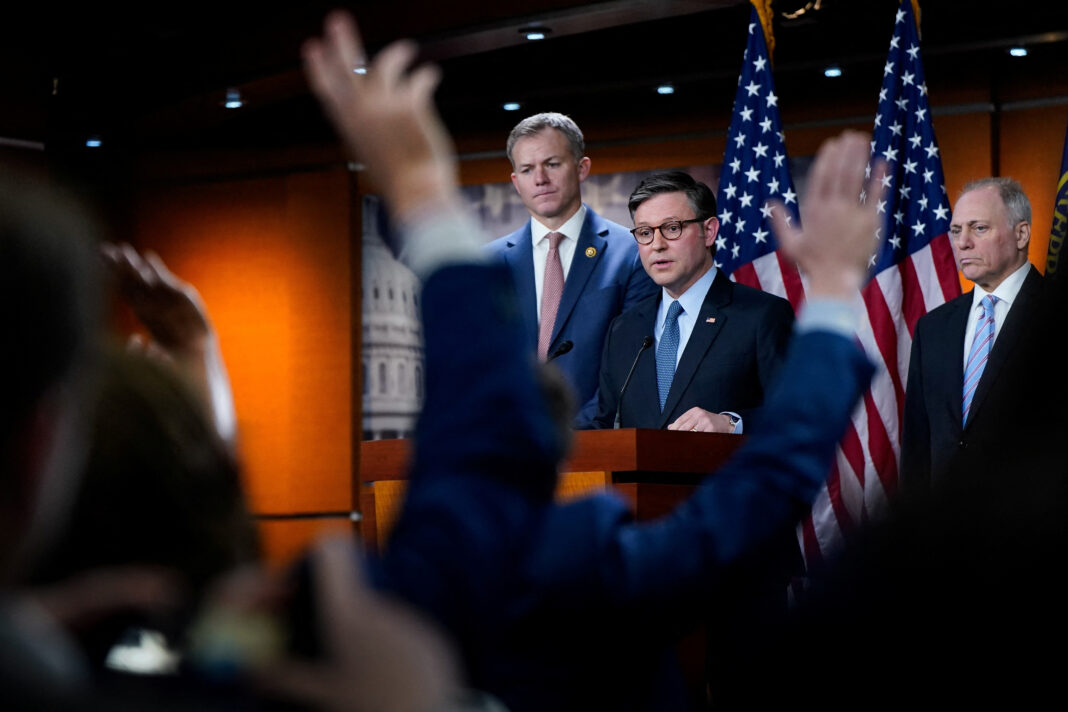
Both parties have wasted little time in assigning blame. Republicans accuse Democrats of holding the government hostage over healthcare demands, while Democrats argue that Republicans refused to compromise on protections for American families. President Donald Trump, who is serving his second term, has signaled that the shutdown could extend longer than expected if Congress fails to reach common ground.
The last shutdown occurred in late 2018 and lasted 35 days, becoming the longest in U.S. history. While it remains unclear how long this latest impasse will continue, economists warn that each day of a shutdown carries significant costs — both for federal workers and for the broader economy.
As lawmakers prepare for another round of negotiations, millions of Americans will be watching closely, uncertain of when normal government operations will resume.